Queue Management and the Psychology of Waiting
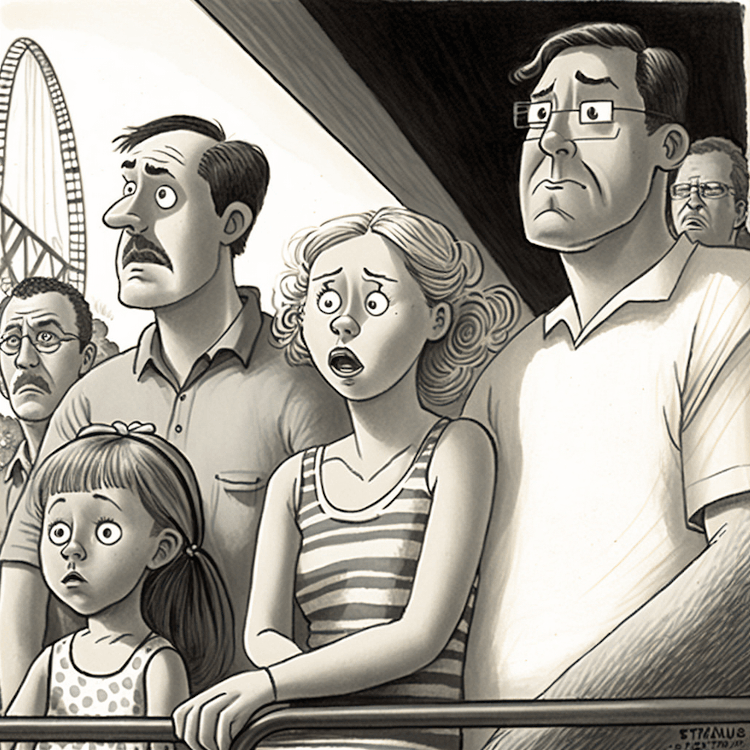
This piece explores psychological principles that influence how customers perceive wait times in service operations. The author identifies three strategic approaches: reducing actual waits, managing expectations, and enhancing the waiting experience.
Key Psychological Principles
Idle Time Perception
"Unoccupied time feels longer than occupied time." The solution involves providing distractions like entertainment, forms, or digital waitlist systems that allow customers to remain occupied elsewhere.
Pre-Service vs. In-Service Waits
Customers experience greater frustration during preliminary waiting phases compared to active service phases. The recommendation: move people into the process rapidly through greeting, clear instructions, and self-check-in options.
Anxiety Impact
Worry amplifies perceived wait duration. Management should actively reassure anxious customers about timelines and outcomes.
Certainty Factor
"Uncertain waits are longer than known, finite waits." Posting visible wait time estimates significantly reduces frustration.
Transparency Matters
Unexplained delays generate greater dissatisfaction than explained ones, requiring proactive communication via multiple channels.
Fairness Perception
Single-line systems and first-come, first-served protocols prevent the frustration of watching others progress while you remain stationary.
Service Value Relationship
Customers tolerate longer waits for premium services compared to basic offerings.
Conclusion
Implementing these psychological insights can improve customer satisfaction even when actual wait times remain unchanged. Understanding the psychology of waiting is just as important as optimizing operational efficiency.
Ready to ditch the clipboard?
Try TablesReady free for 14 days. No credit card required.
Start Your Free Trial